...

By Giulia Carbonaro
Senior Reporter
0
Share
Newsweek is a Trust Project member
See more of our trusted coverage when you search.Prefer Newsweek on Googleto see more of our trusted coverage when you search.
A 60 Minutes report that was pulled by CBS News editor-in-chief Bari Weiss on Sunday has now become widely available on social media after a Canadian outlet reportedly posted it online.
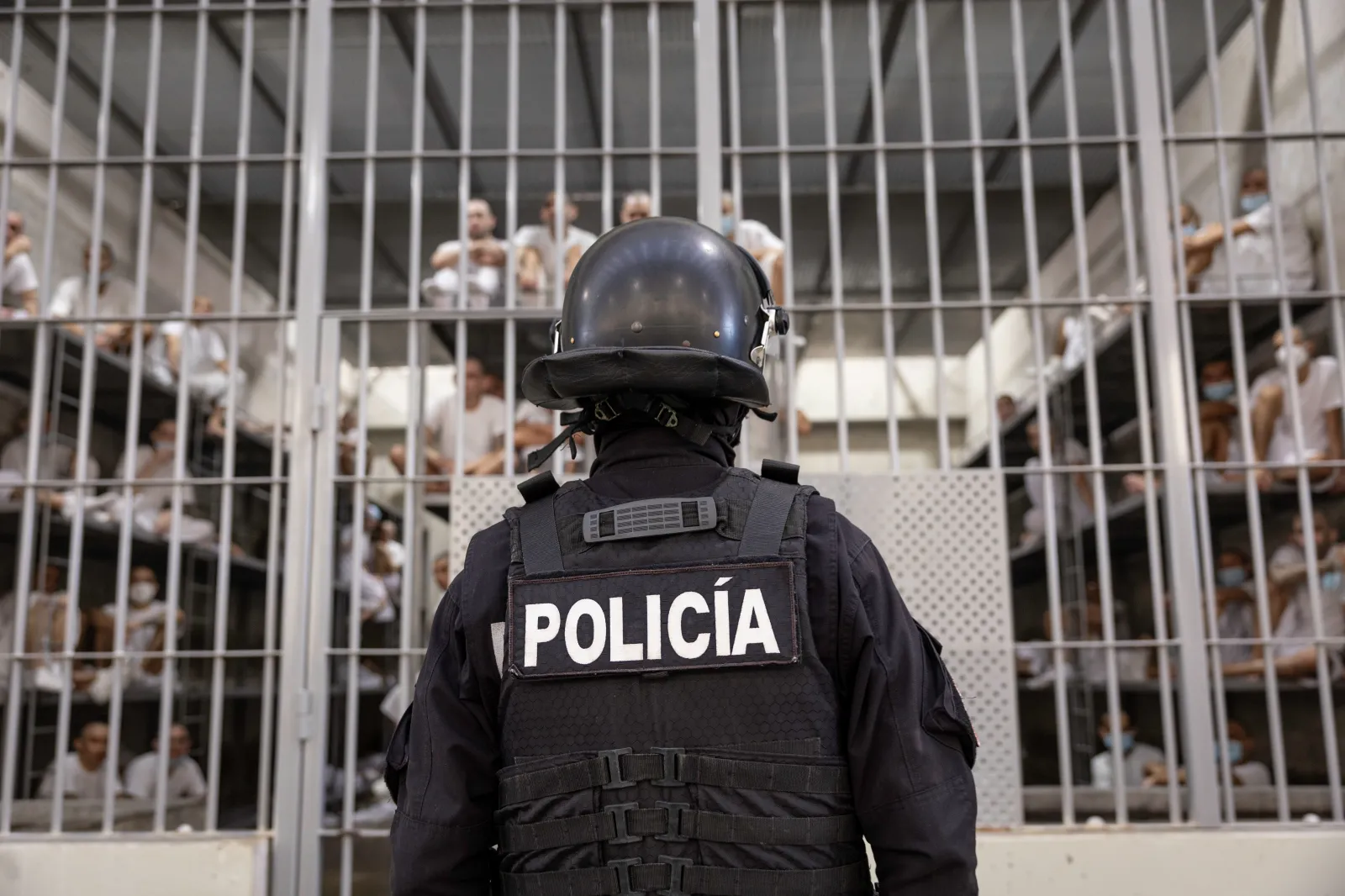
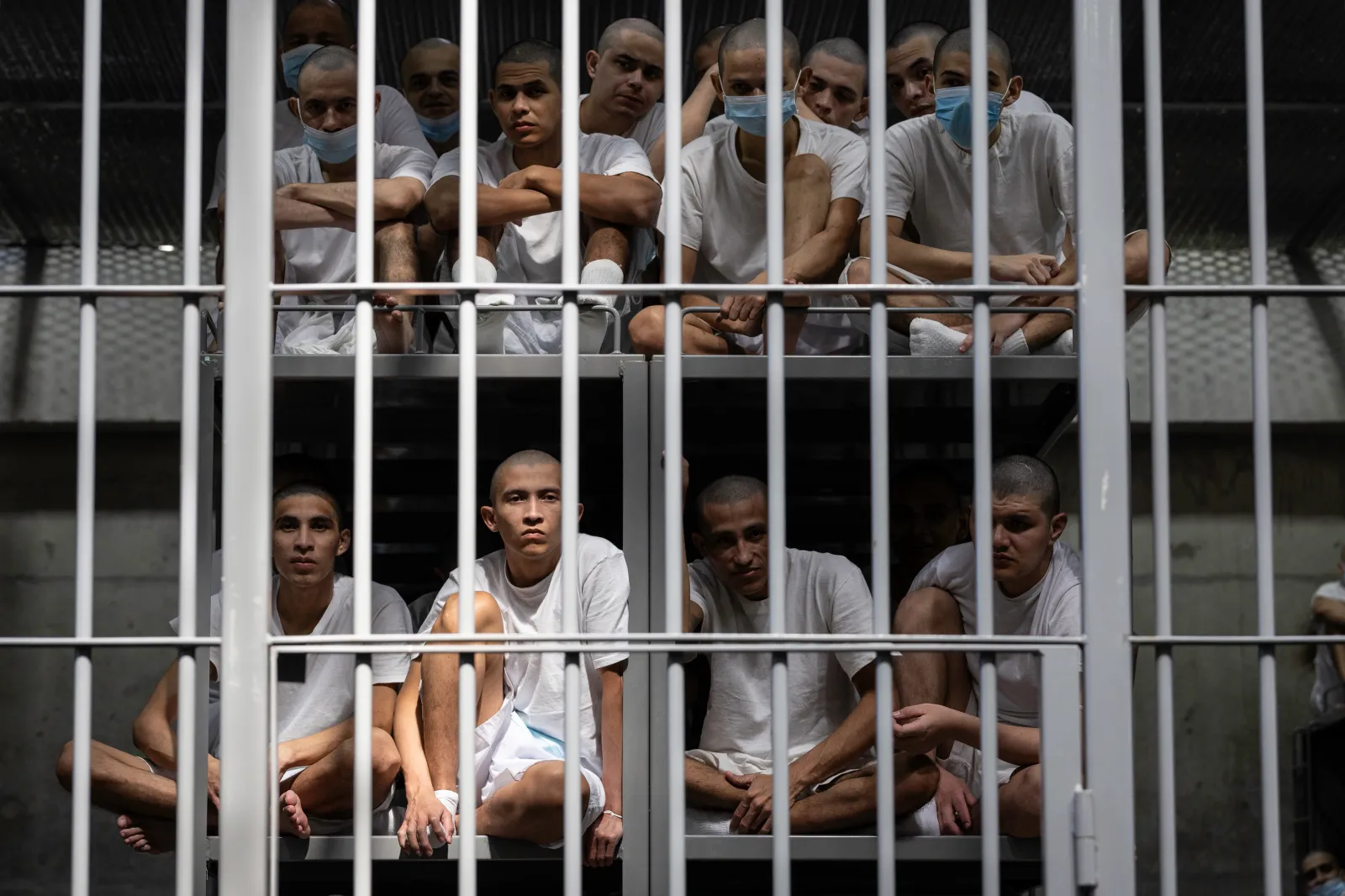
The segment features interviews with Venezuelans deported by President Donald Trump's administration to El Salvador's notorious maximum security prison, CECOT.
- Essential reading: The Body Count to Test Trump’s Deportation Boom
- Conventional Wisdom: The Jeffrey Epstein Files Release Edition
Read More on News
The prison, created under the initiative of El Salvador President Nayib Bukele, has capacity for 40,000 inmates and is said to house some of the country's worst gang members.
On Sunday, 60 Minutes announced that the segment would not run in their show, saying on X: "The broadcast lineup for tonight's edition of 60 Minutes has been updated. Our report 'Inside CECOT' will air in a future broadcast."
But Global TV, the outlet that airs 60 Minutes in Canada, showed the segment on its app before taking it down, according to The Globe and Mail. The segment was then temporarily available on iCloud before being taken down.
Why It Matters
Trump's administration has had a tense relationship with the press. In July, Paramount agreed to pay Trump $16 million to settle his lawsuit over the editing of a 60 Minutes interview with then-Vice President Kamala Harris in 2024.
Earlier this month, Trump also filed a multi-billion dollar lawsuit against the BBC over an edit of his speech he gave before the January 6, 2021, in a Panorama documentary.
Weiss' decision to pull the 60 Minutes segment has been seen by many as an attempt to avoid antagonizing Trump as it was critical of his administration's deportation efforts. CBS journalist Sharyn Alfonsi, who produced the segment, said its removal was a "political decision."
What To Know
Weiss announced the removal of the 60 Minutes segment "Inside CECOT" only hours before it was supposed to air on Sunday, sparking widespread criticism, including from CBS staff members.
A CBS News spokesperson told Reuters that the episode needed "additional reporting," and Weiss said in a statement to The New York Times: "My job is to make sure that all stories we publish are the best they can be. Holding stories that aren’t ready for whatever reason—that they lack sufficient context, say, or that they are missing critical voices—happens every day in every newsroom. I look forward to airing this important piece when it’s ready."
...
The Trump administration deported about 250 Venezuelan men to CECOT in March, accusing them of being members of the infamous Tren de Aragua gang. Many of the deportees have denied the claims.
In the 60 Minutes segment, Alfonsi said that prisoners at CECOT had been "shackled [and] paraded in front of cameras," and had endured "four months of hell" since being deported.
Luis Munoz Pinto, one of the deported Venezuelans interviewed by Alfonsi, said he was detained by customs officers as he was awaiting asylum proceedings, even though he had no criminal record. He said that he had been beaten and sexually assaulted since arriving at CECOT.
Alfonsi said the segment had been cleared by CBS attorneys and the company's Standards and Practices team, and that it was factually correct, according to NBC News.
Newsweek contacted CBS News and the White House for comment by email outside of regular working hours.
...
What People Are Saying
Alfonsi said in a note sent to CBS colleagues and obtained by NBC News: "Our story was screened five times and cleared by both CBS attorneys and Standards and Practices. It is factually correct. In my view, pulling it now, after every rigorous internal check has been met, is not an editorial decision, it is a political one."
Anna M. Gomez, a member of the Federal Communications Commission, wrote on X: "In the days ahead, I hope CBS provides its viewers with a clear accounting of how this decision was made and demonstrates how it will safeguard the independence of its newsroom."
Senator Brian Schatz wrote on X: "What is happening to CBS is a terrible embarrassment and if executives think they can build shareholder value by avoiding journalism that might offend the Mad King they are about to learn a tough lesson."
View 0 Comments
Submit Correction
View Editorial & AI Guidelines