...

By Newsweek Editors
0
Share
Newsweek is a Trust Project member
See more of our trusted coverage when you search.Prefer Newsweek on Googleto see more of our trusted coverage when you search.
The N-word incident at Sunday’s BAFTAs was shocking and deeply uncomfortable—and, as one industry figure put it, an "impossible" situation.
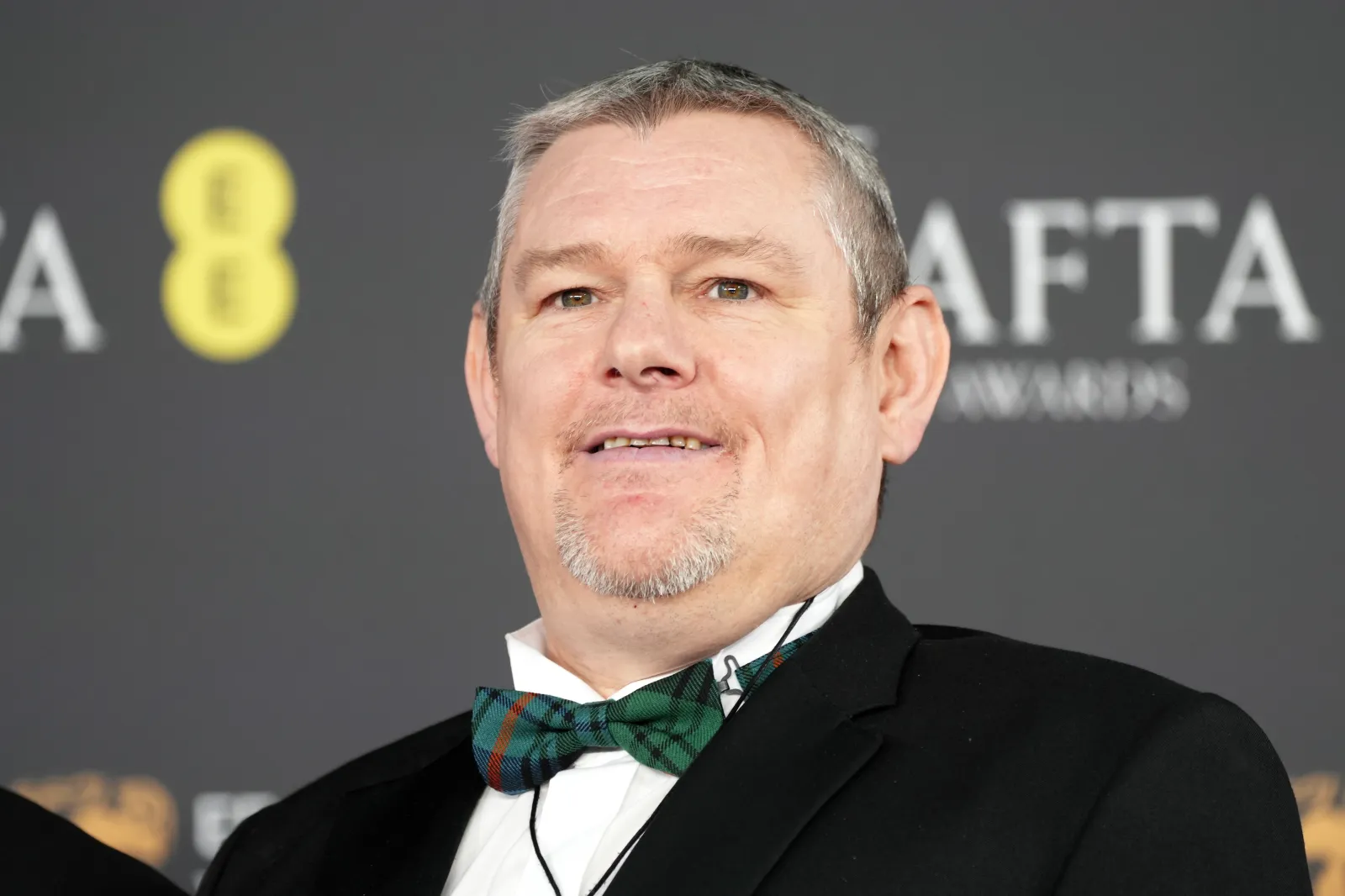
John Davidson, a Tourette’s syndrome advocate whose life inspired the nominated film I Swear, attended the ceremony in recognition of the story built around his experience. His condition can include involuntary vocal tics, sometimes involving offensive language.
Tourette’s does not pause for live broadcasts, and during the ceremony Davidson shouted the N-word while Michael B. Jordan and Delroy Lindo were presenting an award.
Read More on Analysis
It was a jarring, horrible moment. It was also involuntary.
Jordan and Lindo’s calm professionalism
One of the most remarkable things about what happened was the way Jordan and Lindo handled it.
They continued presenting without visible anger or disruption. Their composure and professionalism were striking. They did not escalate the moment or turn it into spectacle.

...
Jamie Foxx slams Davidson
Online, reaction was swift and divided.
Prominent voices such as Jamie Foxx called the use of the N-word "unacceptable" and suggested it was intentional, dismissing the neurological context.
Wendell Pierce echoed that sentiment, arguing that the first response should have been direct apologies to Jordan and Lindo rather than explanations about Tourette’s.
Production designer Hannah Beachler also criticized what she saw as a "throwaway" apology from the broadcast, saying it did not sufficiently address the harm caused. She summed it up as an "impossible" situation.
Alan Cumming addressed controversy head-on
Host Alan Cumming responded in the room: "You may have noticed some strong language in the background. This can be part of how Tourette’s syndrome shows up for some people as the film explores that experience," he told the audience. "Thanks for your understanding and helping create a respectful space for everyone."
He later added: "Tourette’s syndrome is a disability and the tics you’ve heard tonight are involuntary, which means the person who has Tourette’s syndrome has no control over their language. We apologize if you are offended tonight."
Robert Aramayo, who portrays Davidson in I Swear, told BBC News: "They're tics, he is ticking, and we have to understand that the way we perceive Tourette's is a joint responsibility. It's not shouting obscenities, it's not being abusive, it's Tourette's and they're tics." If the fallout prompts greater awareness, he added, "then that's a really incredible thing."
What is Tourette's?
Tourette’s syndrome is a neurological condition characterized by involuntary movements and sounds known as tics. These can include physical actions such as blinking, facial movements or shoulder shrugging, as well as vocal tics ranging from throat-clearing and repeated words to, in some cases, involuntary swearing.
The latter symptom, known as coprolalia, is relatively rare but often misunderstood in popular culture. Tics typically begin in childhood and can vary in frequency and intensity over time. Crucially, they are not intentional and cannot simply be suppressed at will, particularly in stressful or high-pressure situations.
BBC removes show from streaming service
The BBC later removed the ceremony from iPlayer. It had aired on a two-hour delay and remained online through Monday morning before being taken down.
The decision prompted political criticism. Conservative Party leader Kemi Badenoch told Good Morning Britain the BBC had made "a horrible mistake," adding: "I think an apology is important, they need to explain why it wasn't bleeped out."
A BBC spokesman said: "Some viewers may have heard strong and offensive language during the BAFTA Film Awards 2026.
"This arose from involuntary verbal tics associated with Tourette's syndrome, and was not intentional. We apologize for any offense caused by the language heard."
Two truths collide
As Beachler suggested, it was an "impossible" situation—one that brought together a deeply offensive word, an involuntary medical condition and a global television audience.
There was no clear script for how to handle it and no reaction that would have satisfied everyone watching. The pain and history attached to the slur are undeniable and cannot simply be brushed aside. At the same time, Tourette’s is a neurological condition, and its tics are not deliberate or chosen. In that moment, two difficult truths existed at once.
View 0 Comments
Submit Correction
View Editorial & AI Guidelines