10
Loading video...

By Hugh Cameron
Reporter
0
Share
Newsweek is a Trust Project member
See more of our trusted coverage when you search.Prefer Newsweek on Googleto see more of our trusted coverage when you search.
Apple has recovered billions of dollars previously paid out in now-annulled tariffs, though its customers appear unlikely to benefit from the windfall.
On Thursday, the company released its third-quarter results, once again beating Wall Street forecasts for revenue and earnings per share and celebrating what CEO Tim Cook said was its “strongest June quarter ever.”
As well as a $15 billion year-over-year jump in net sales for the three months ending June 27, and a similarly improved quarterly net income of $29.8 billion, Apple reported that diluted earnings (EPS) per share climbed 29 percent to $2.02, which it said “included a favorable impact of $0.11 from tariff refunds.”
Read More on News

...
Analysts quoted by Yahoo Finance anticipated that EPS would reach only $1.89 on around $109 billion in revenue, implying that the rebates were a major component in its forecast-beating results. Apple also said that its gross margin saw a 2 percent lift during the quarter, thanks solely to the refunds.
Given the boost, AppleInsider and the BBC placed the total refund received at $2.2 billion or $1.1 billion, respectively, while CNBC calculated that without the rebates, Apple’s earnings would have largely fallen in line with forecasts.
Newsweek contacted Apple via email on Friday for comment.
Related Story
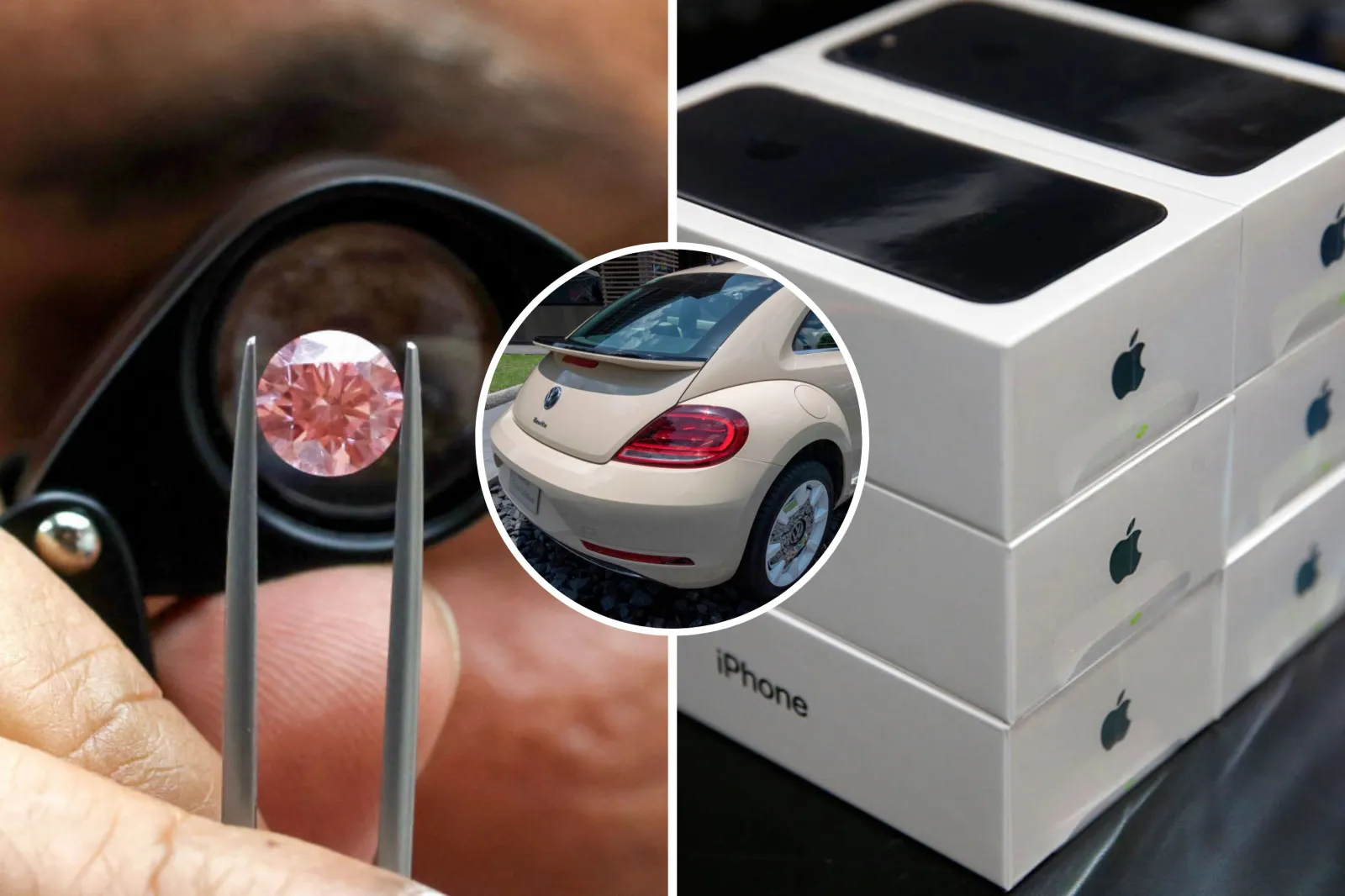
Products Most Impacted by Donald Trump’s New Tariffs on 80 Countries
How Many Tariff Refunds Are Going Out?
In February, the U.S. Supreme Court invalidated the majority of President Donald Trump’s tariffs and ruled that they had been imposed using an overly expansive reading of the 1977 International Emergency Economic Powers Act.
According to estimates from customs officials, around $166 billion was paid in the now-invalidated duties by about 330,000 importers—an amount the government was then tasked with refunding.
As of late June, Customs and Border Protection had authorized more than $100 billion in refunds, though a significant portion remains tied up in legal battles, with the administration appealing to avoid paying certain "finalized" entries.
Recent data from the Treasury Department revealed that the government has paid out just under $80 billion in rebates this year, including $49.2 billion in June alone. However, according to the Cato Institute, a D.C.-based free market think tank, it still owes around $100.7 billion to those who originally paid the duties.
Will Apple Share Refunds With Its Customers?
According to CNBC, Apple paid around $3.3 billion in tariffs imposed by Trump. Unlike some companies, however, Apple never publicly said that the duties could force it to raise consumer prices. Apple’s strategy instead centered around lobbying for exemptions, diversifying supply chains, and taking a hit to the margins rather than raising retail prices.
And unlike some other major corporations, which sued at the Court of International Trade to secure their tariff refunds, Apple’s CEO instead said that it would follow the “established process” when seeking a rebate. The company has given no indication, however, that it will pass along any of the refunds it has received or is set to receive through investments in price reductions.
During an earnings call in April, Cook said that all rebates would be reinvested “back into U.S. innovation and advanced manufacturing.”
And on Thursday, he again said that Apple planned “to reinvest the tariff refunds we’ve received into the U.S.,” indicating that this would contribute to its $600 billion, four-year American investment strategy.
Meanwhile, other companies have vowed to share portions or all of the refunds with their customers—who in many cases paid for them in the form of higher costs—including Costco, UPS and FedEx. In May, Walmart’s chief financial officer, John David Rainey, said that when it came to employing refunds, the retailer would “definitely bias and prioritize price investment.”
Contact Newsweek editors on this story: Ben Kelly and Dave Siminoff.
View 0 Comments
Submit Correction
View Editorial & AI Guidelines