...

By Ernesto Hernandez-Lopez
0
Share
Newsweek is a Trust Project member
See more of our trusted coverage when you search.Prefer Newsweek on Googleto see more of our trusted coverage when you search.
“Landmen” are the quarterbacks of oil companies—on-the-ground dealmakers needed before any drilling takes place.
In the popular Paramount+ series Landman, set in current West Texas, landman Tommy Norris describes the job as two tasks: securing leases and managing people. Leases are “pretty simple” but it’s “the second part that can get you killed.”
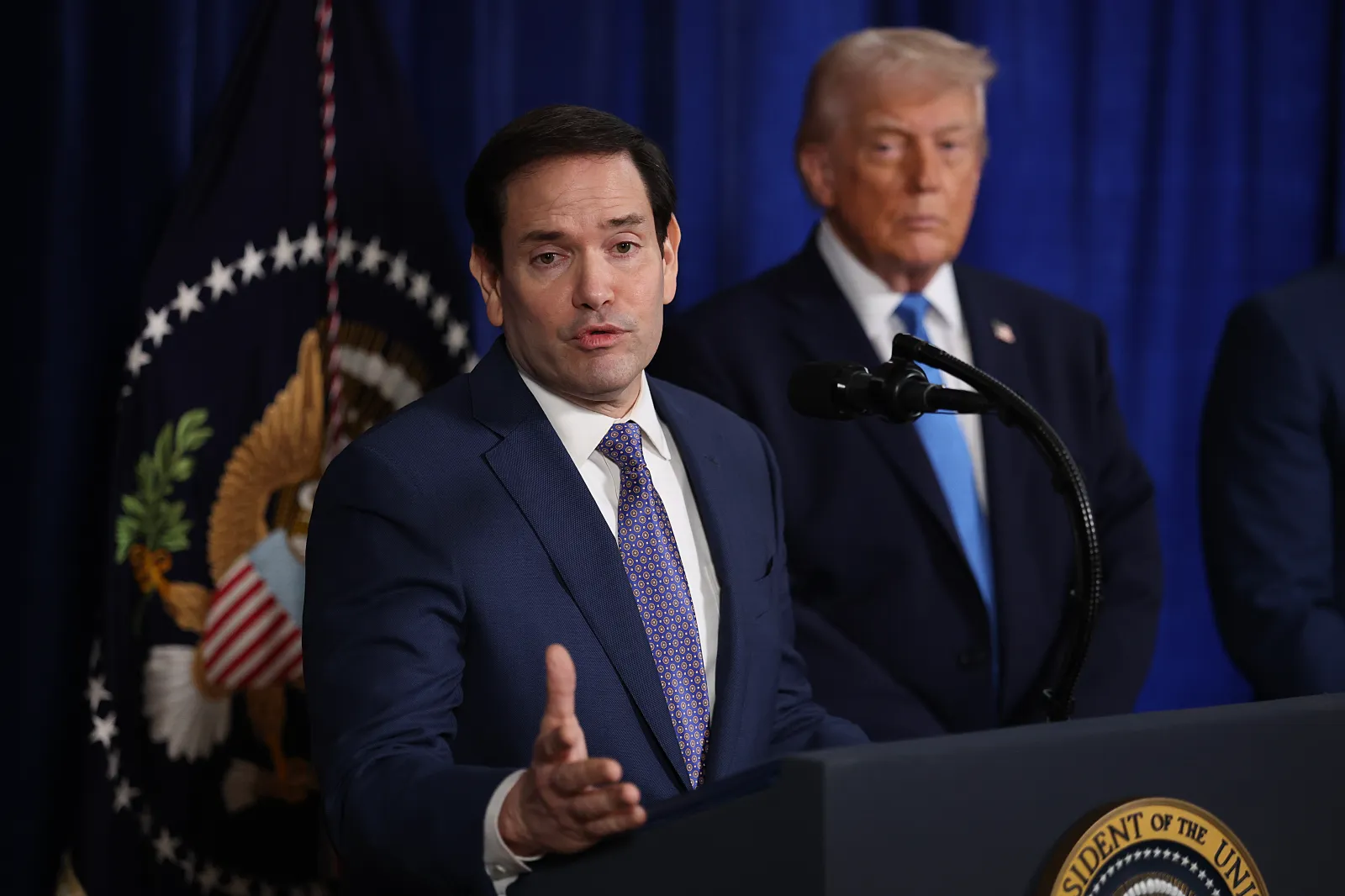
This is valuable wisdom for the United States, after its extraction of President Nicolás Maduro from Venezuela on Saturday. It plans to sell Venezuelan oil for an indefinite period. The day of the extraction, President Donald Trump said the U.S. would “run” the South American country. Secretary of State Marco Rubio on Sunday clarified, “it’s not running — it’s running policy.”
Read More on Opinion
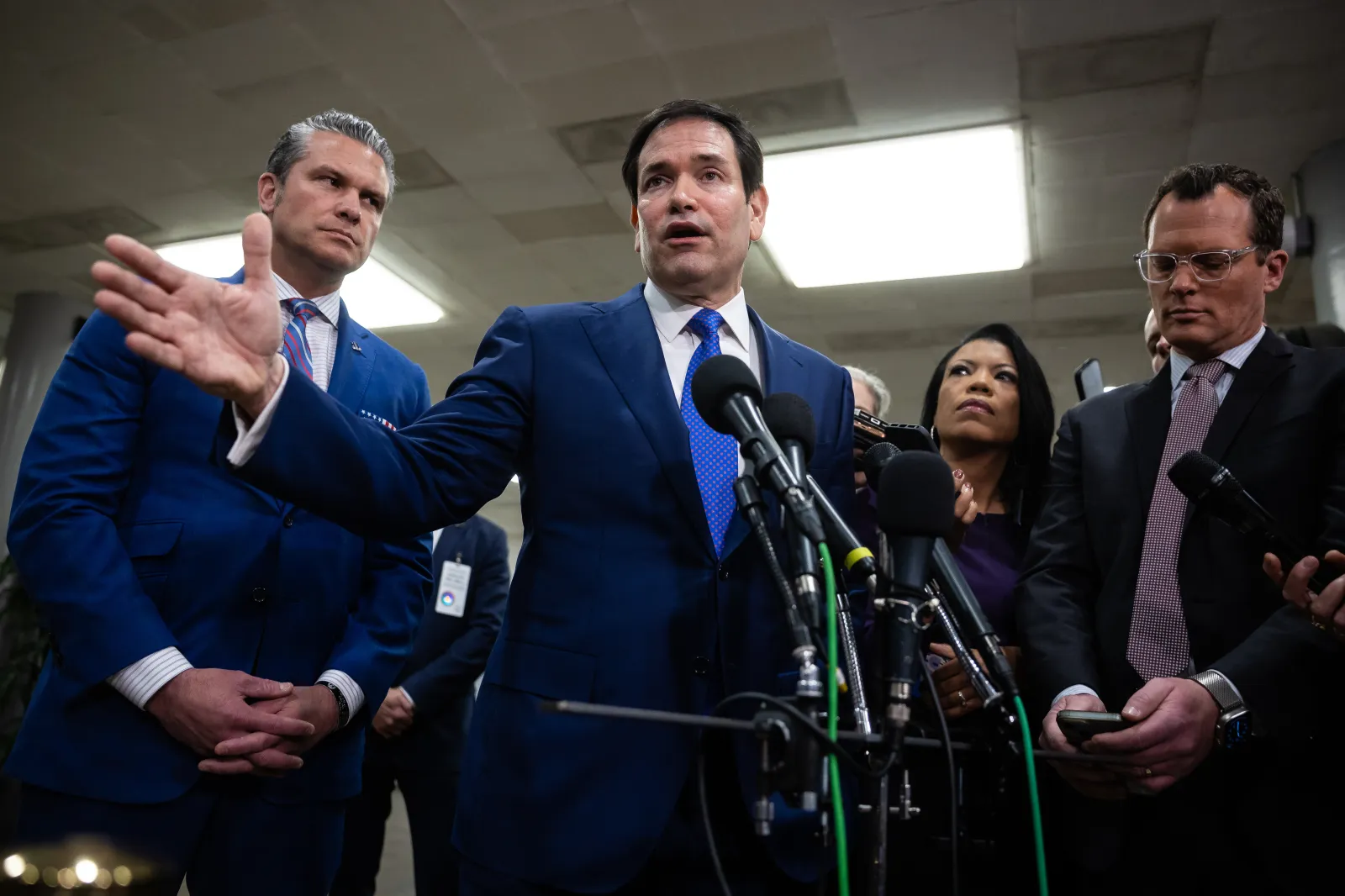
It’s all less clear than heavy sour crude oil. This is the powerful lure in Venezuelan fields, the largest known oil reserves in the world. On Wednesday, Rubio offered a brief American plan to run Venezuela. Answering journalist questions, he explained that he was “not just winging it.”
He may be right, even if it appears extemporaneous. There is a long history of American adventurism in this Hemisphere that is far more informative than on-the-fly press conferences.
...
The approach of leasing land and managing people is over a century old in the region. Leasing is the opposite of owning. It avoids responsibility. The U.S. demands exclusive access to sell what is underneath Venezuelan soil. But it does not want the internal burdens needed to achieve this. Venezuela’s government remains the same after Maduro, except it has a new president, the former vice-president. It is cracking down on those who celebrate Maduro’s ouster.
In legal terms, the U.S. avoids sovereign control (meaning final authority). It’s there for the oil, not for governing.
This reflects past American policy on Cuba from 1901 to 1934, evident in the infamous Platt Amendment. Then the U.S. wanted to control Cuban affairs without any of the responsibilities of running Cuba. Secretary of War and international lawyer, Elihu Root devised the Platt Amendment to do this. It required that Cuba permit the US to: intervene militarily if needed, run Cuba’s foreign affairs, and establish military bases on the island (this became Guantanamo Bay).
The U.S. parlayed this influence to protect the region from European meddling and to guard its Caribbean and Central American investments, not least of which was the Panama Canal. American legal ingenuity separated control from responsibility, much like a landman secures leases for oil but not land ownership. Law is key. As Norris explains in the show, “A lawyer with a briefcase can steal more than a thousand men with guns.”
This past approach fueled military conflict in Cuba with U.S. interventions in 1906-09, 1912, and 1917-22 and throughout the region. American troops remained in Nicaragua, Haiti, and the Dominican Republic for decades, after U.S. policies tried to protect overseas trade and investments. U.S. boots on the ground were more common back then and their presence seemed endless. Any repeat of this approach in the future would be unpopular.
Where does this leave us after Maduro’s removal? Look for the details on what Venezuela commits to and what the U.S. benefits from. Perhaps we will have clear conditions on what belongs to Venezuelans and what Americans have access to. This can come from the U.S. Congress restricting the president.
The Senate on Thursday approved a measure to limit military action in Venezuela. The House will consider similar controls. An international agreement between Venezuela and the U.S., two sovereign states, could determine preconditions as well.
But if it’s the landman approach, then only oil companies will benefit. Last century, with the Platt Amendment, Cubans gained independence from Spain in exchange for decades of instability and internal meddling from the U.S. Let’s see what Venezuelans get for their oil. If it’s like past adventurism, it’s hard to have faith in the national security guarantees American leaders promise.
Ernesto Hernández-López, is a Professor of Law at the Dale E. Fowler School of Law, Chapman University, in California, United States. He writes and teaches about international law.
The views expressed in this article are their own.
View 0 Comments
Submit Correction
View Editorial & AI Guidelines