...

By Sam Stevenson
Associate News Editor
0
Share
Newsweek is a Trust Project member
See more of our trusted coverage when you search.Prefer Newsweek on Googleto see more of our trusted coverage when you search.
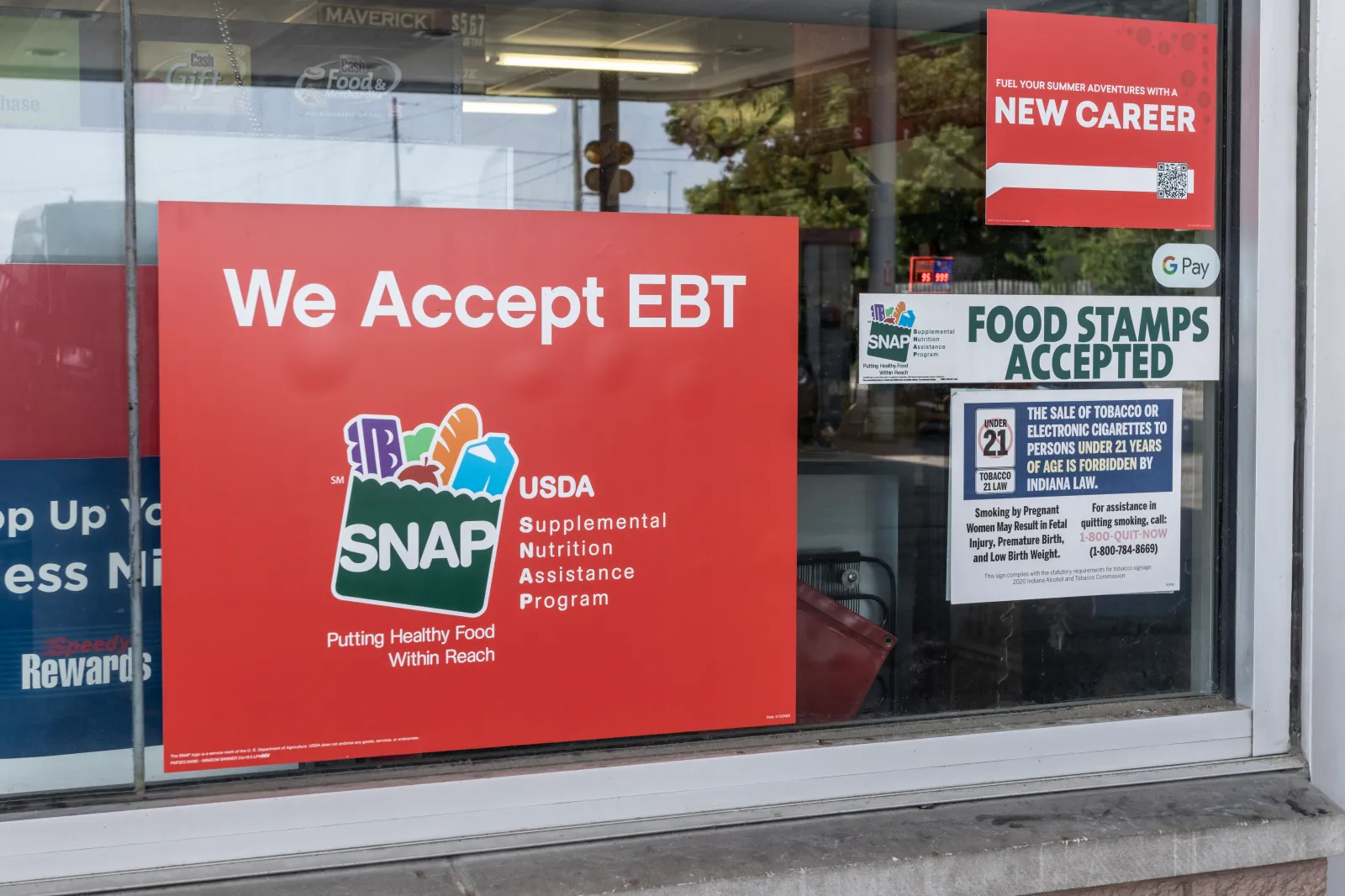
President Donald Trump on Wednesday signed a Senate-approved bill that ends the nation’s longest government shutdown, meaning the Supplemental Nutrition Assistance Program (SNAP) is set to resume payments to millions of Americans who faced weeks of delays and uncertainty.
While some families received partial or full benefits before the 43-day stalemate ended, many are still waiting for crucial funds.
Recipients can expect the restoration of payments in the coming days, though the timing and process may vary by state.
Read More on News
A U.S. Department of Agriculture (USDA) spokesperson told Newsweek via email that recipients of SNAP benefit funds can expect to receive them "upon the government reopening, within 24 hours for most States."

...
Why It Matters
The government shutdown disrupted SNAP payments, formally known as food stamps, for roughly 42 million Americans who use benefits to purchase groceries.
The delay intensified food insecurity issues nationwide, with advocates reporting increased anxiety, empty pantries, and community responses such as neighborhood food drives.
As the primary federal safety net against hunger, SNAP is a lifeline for one in eight U.S. residents, making the resumption of benefits urgently significant for families and local economies.
The resumption of SNAP payments could also have a knock-on impact on the wider economy, as cash-strapped families see their budgets eased and financial pressures reduced ahead of the busy Christmas retail period.
What To Know
Following weeks of conflicting court orders and policy reversals, the U.S. House passed the Senate's funding bill, restoring appropriations for SNAP and other programs.
Trump signed the legislation on Wednesday night, officially reopening the government and allowing the USDA to release funds for November.
Distribution of benefits is managed by state and local agencies via Electronic Benefit Transfer (EBT) cards, so the speed of payments will vary.
According to the USDA and expert groups, states that had not issued any benefits during the shutdown—such as South Carolina and West Virginia—are expected to be the quickest, with most recipients seeing payments within 24 hours to three days of the funding release.
States that issued only partial benefits may need additional time to correct and complete payments.
In total, at least 19 states and the District of Columbia managed to provide full benefits to some SNAP participants last week during a brief window between court directives.
Multiple court rulings in October and November ordered the administration to release full benefits, but contradictory USDA guidance led to uneven partial or full payments in different states.
Trump’s administration previously defended withholding the benefits on the grounds of fiscal responsibility.
However, courts consistently ruled that the government was obliged to deliver funds, with District Judge John McConnell ordering the administration to continue full payment of benefits until the Supreme Court paused the order while reviewing the case.
What People Are Saying
A USDA spokesperson told Newsweek that most states would issue benefits “within 24 hours” once the government reopened.
Gina Plata-Nino, SNAP director at the Food Research & Action Center, a nonprofit group focused on ending hunger, told CBS News that states that have already attempted a full November payment should proceed quickly, but others might take several days to complete processing. "States that did not issue full benefits earlier will need to resubmit their files to their EBT vendors for processing, which may take a few additional days."
Jessica Garon, spokesperson for the American Public Human Services Association, told The Hill that once the federal government releases funding, most states will deliver full benefits within three days.
SNAP recipient Doretha Washington, 41, of St. Louis, told The Associated Press she was still waiting for November benefits: “Now it’s making things difficult because we can’t pay our bills in full and keep food in here. I’m down to three days of food and trying to figure out what to do.”
What Happens Next
SNAP participants are encouraged to monitor their state family and social service websites for payment announcements, as implementation is subject to local systems and administrative processing.
Although the resumption of benefits is imminent for nearly all SNAP recipients, outstanding legal questions persist as the Trump administration’s Supreme Court appeal is pending.
The newly passed legislation funds SNAP through September 2026, providing a medium-term solution; however, advocates warn that future funding debates and potential shutdowns could again jeopardize the program’s stability.
Update, 11/13/25, 4 a.m. EST: This article has been updated with a new statement from the USDA.
View 0 Comments
Submit Correction
View Editorial & AI Guidelines