10
Loading video...

By Steve Mollman
News Editor
0
Share
Newsweek is a Trust Project member
See more of our trusted coverage when you search.Prefer Newsweek on Googleto see more of our trusted coverage when you search.
President Donald Trump's agreement with Russian President Vladimir Putin to boost diesel supplies is drawing criticism from within his own party, exposing Republican divisions over the White House's latest attempt to bring down fuel prices ahead of November's midterm elections.
The pushback follows Trump's announcement Friday that Putin had agreed to supply hundreds of thousands of tons of diesel fuel to the United States and global markets. The administration subsequently authorized transactions involving Russian diesel, with the Treasury Department issuing a temporary license allowing Russian-origin diesel to reach global markets.
The move drew scrutiny because Congress just weeks ago approved the Lindsey O. Graham Sanctioning Russia and Iran Act of 2026, a law intended to increase pressure on Moscow.
Read More on News
While Trump, ahead of the November midterms, has cast the arrangement as a way to ease soaring fuel costs hurting truckers, farmers and consumers, some Republicans argue it risks undermining Washington's efforts to pressure Moscow over the war in Ukraine.
When asked about Republican criticism of the deal, a White House official referred Newsweek to Trump's public comments.
Republican opposition has since expanded in both chambers of Congress, with House lawmakers moving to block the deal and senators joining Democrats in calling on the administration to reverse course.
Representative Brian Fitzpatrick, a Pennsylvania Republican and co-chair of the House Ukraine Caucus, announced plans to introduce legislation blocking purchases of Russian oil.
"We will be introducing bipartisan legislation to block any and all purchases of Russian oil," Fitzpatrick wrote on X. "It will be called the 'Ronald Reagan Peace Through Strength Act.'"
Fitzpatrick said he would seek a House vote through a discharge petition, which can force legislation to the floor without leadership approval.
Senator Thom Tillis, a North Carolina Republican, intensified the criticism Sunday, saying he believed Trump’s agreement might violate a 2022 law banning Russian oil imports until Moscow meets conditions that include withdrawing from Ukraine.
“I believe that he may be,” Tillis told NBC’s Meet the Press with Kristen Welker when asked whether Trump was breaking the law. “I do believe there’s a legitimate case for saying the president’s not following the law.”
Tillis said he planned to issue a statement with Democratic Senator Jeanne Shaheen and argued that Trump’s actions were “the exact opposite of the intent” of the sanctions legislation approved by Congress.
Tillis also warned that the agreement could put American lives at risk because of Russia’s ties to Iran. Asked directly whether the deal endangered Americans, he replied: “It absolutely will.”
“This guy has a murderous rap sheet. He cannot be trusted,” Tillis said of Putin.
Treasury Secretary Scott Bessent rejected that argument Sunday, saying the administration would carry out the agreement under existing legal authority.
“We’re going to do it with all the legal authorities we have,” Bessent told Fox News’ Fox & Friends. “Anyone in Congress who says whether it’s an old bill or the current Lindsey Graham bill [that] prohibits us from doing it is wrong.”
Nevertheless, the pressure escalated later Sunday when Tillis joined Republican Senators Lisa Murkowski, Susan Collins and John Curtis, along with Democratic Senators Jeanne Shaheen, Richard Blumenthal and Ron Wyden, in a statement urging the administration to “immediately reverse course.”
The senators also said the administration had failed to consult Congress or submit an explanation for its decision, as they said the law requires.
"The United States should not provide Putin with a financial lifeline while Russia continues to kill Ukrainian civilians," the senators said. "The Administration must immediately reverse course."
Related Story
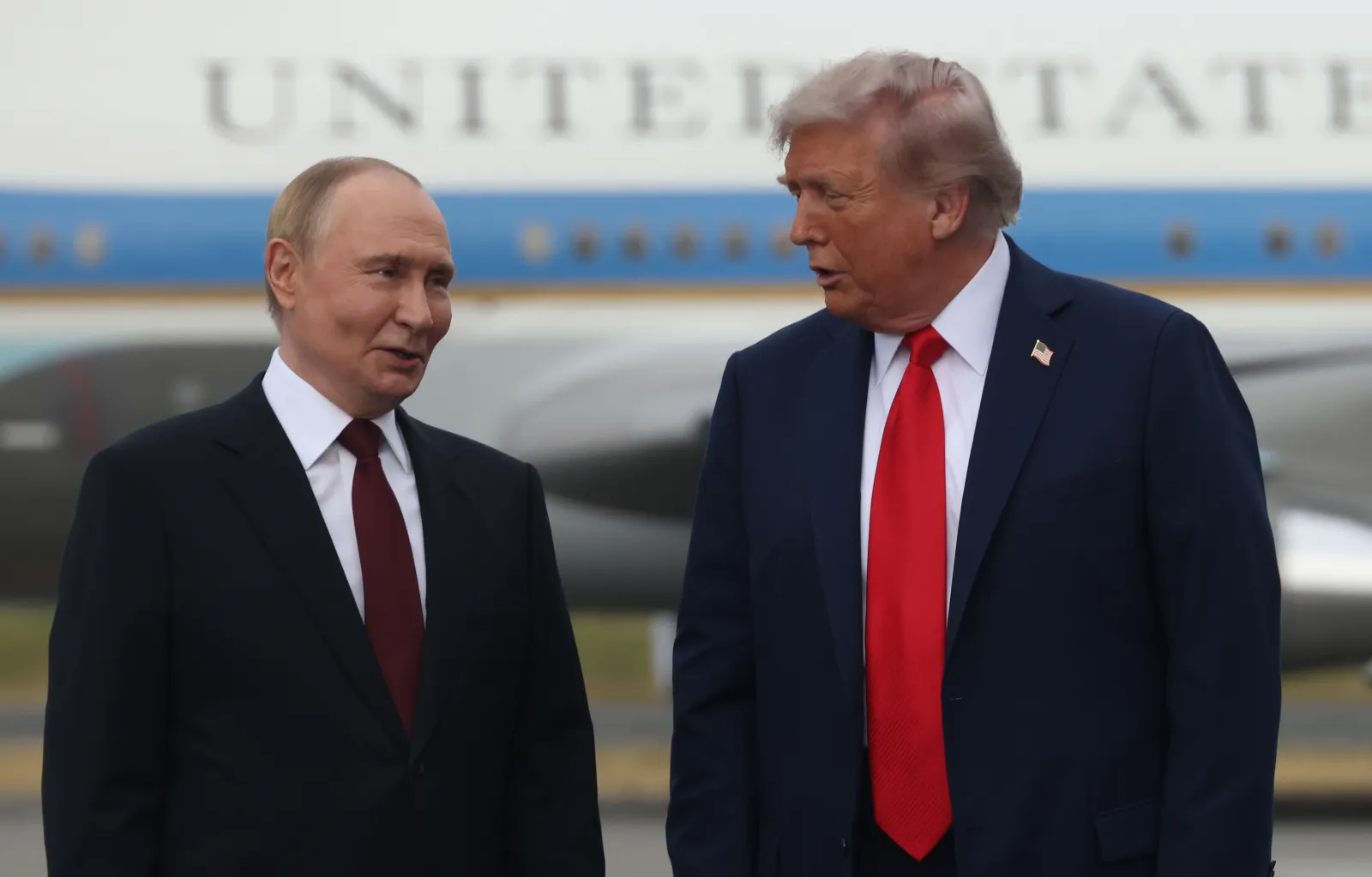
Trump Strikes Diesel Deal With Putin to Bring Down Prices Ahead of Midterms
Don Bacon Says Russian Fuel Is 'the Wrong Answer'
Representative Don Bacon, a Nebraska Republican and supporter of Ukraine, emerged as one of the deal's most outspoken critics.
"We need lower diesel prices for American farmers, ranchers and consumers, but buying Russian fuel is the wrong answer," Bacon wrote on X on Friday.
The congressman argued that Ukraine's attacks on Russian refineries have targeted facilities that "fuel and finance Putin's illegal invasion" and suggested the agreement could provide Moscow with additional revenue.
He also pointed to the sanctions law, which Trump signed last month, arguing Congress had moved to increase economic pressure on Russia rather than ease it.
Bacon's opposition has since gone beyond criticism. Fitzpatrick said Bacon had agreed to become an original co-sponsor of the proposed legislation blocking Russian oil purchases.
Bacon's criticism is particularly notable because Nebraska's economy relies heavily on agriculture and trucking, sectors that have been among the hardest hit by surging diesel costs.
According to AAA, the national average diesel price stood at $6.28 per gallon on Saturday, putting pressure on farmers harvesting crops and businesses dependent on freight transportation.
Michael McCaul Warns Deal Could Help Putin
Representative Michael McCaul, a Texas Republican and former chairman of the House Foreign Affairs Committee, also criticized the administration's move.
In a statement posted on X, McCaul said he understood the desire to lower diesel prices but expressed concern that lifting sanctions on Russian oil would "fund the Kremlin's war machine" despite Congress recently giving Trump additional leverage to pressure Putin through sanctions.
Former Vice President Mike Pence joined the opposition in a Sunday post on X, calling the move “a betrayal of the legacy and leadership of the late Senator Lindsey Graham” and arguing that “America should not be throwing a lifeline to Putin’s war machine.” Pence urged Trump to “rescind this deal immediately.”
According to the New York Times, former Representative Mike Rogers, the Republican Senate candidate in Michigan, and Alaska Senator Dan Sullivan have also broken with Trump on the diesel deal. Rogers said "you just don't want to give that guy an inch," referring to Putin, while a Sullivan spokesperson said high prices should be addressed through "American energy dominance" rather than importing Russian energy.
The deal has also drawn criticism abroad. Ukrainian President Volodymyr Zelensky argued Friday that easing pressure on Russia without a broader de-escalation agreement would amount to "an obvious weakness."
Some Republicans, however, have defended the agreement. Appearing on ABC's This Week on Sunday, House Majority Whip Tom Emmer defended the agreement, arguing that Trump was trying to lower fuel costs for Americans while seeking an end to the war in Ukraine.
Senator John Barrasso defended Trump's approach Sunday on CBS's Face the Nation, saying the president was focused on lowering energy costs and describing the diesel arrangement as potential leverage against Putin.
...
Trump's Diesel Deal Comes as Midterms Approach
The administration has spent weeks searching for ways to address rising diesel prices, which have become an economic and political problem ahead of the midterms.
Diesel fuels much of the country's agricultural, trucking, rail and industrial sectors. Higher diesel costs can ripple through supply chains and contribute to higher prices for consumers.
Some analysts, however, question whether the Russia agreement will produce relief quickly enough to affect voters before Election Day.
Ed Hirs, an energy economist at the University of Houston, said the political benefits of the deal may not arrive on the timetable the White House hopes for.
"If everything goes smoothly, the U.S. consumer will not get relief at the pump until well after the election," Hirs previously told Newsweek.
Trump has increasingly highlighted the issue in recent days, particularly in appeals to farmers, truckers and rural voters.
Earlier this week, he signed an executive order allowing tax-exempt dyed diesel to be used on public roads through the end of the year while deferring the federal diesel tax associated with that fuel.
Related Story
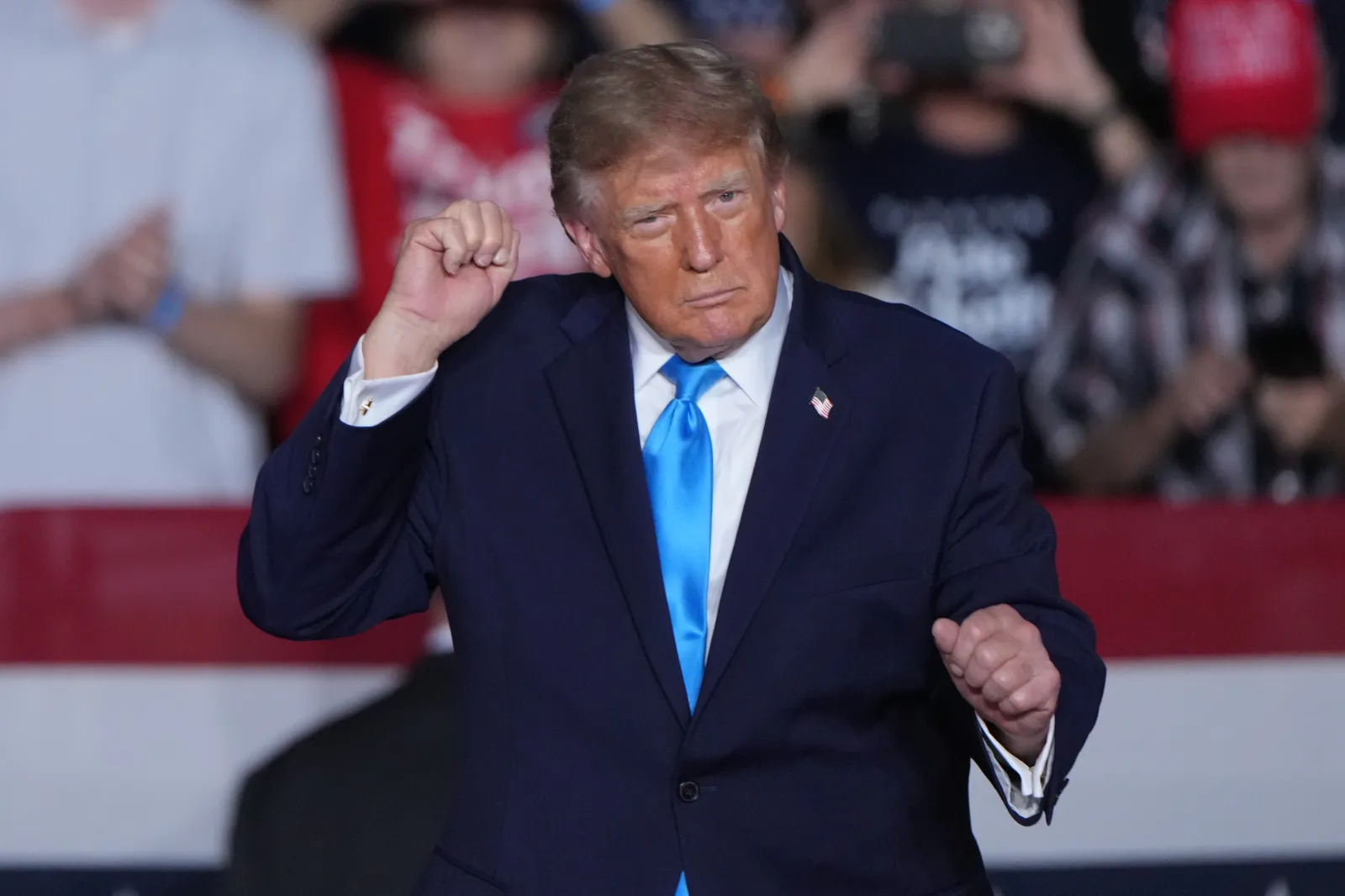
Trump Allows Dyed Diesel on the Road: How Could It Affect Gas Prices
The White House has also pushed allies to release emergency diesel reserves and has reportedly been weighing additional executive actions intended to boost fuel supplies and production.
Announcing the Russia agreement, Trump said he expected diesel prices to fall quickly.
"It was agreed that Russia will immediately supply over 300,000 Tons of Diesel Fuel to the American and Global Marketplace," Trump wrote on Truth Social on Friday, outlining several additional planned deliveries.
Speaking to reporters later that day, the president called it "a big deal."
"That is massive amounts of oil coming into our country, and I want to thank President Putin to be honest with you," Trump said. "And it's diesel, which is what we want."
The White House reiterated that argument in its weekly briefing Sunday, describing the Russia agreement and other diesel-related measures as emergency relief for truckers and farmers.
Speaking to reporters Saturday, Trump also criticized Zelensky for opposing the agreement and defended his argument that Ukrainian attacks on Russian refineries have contributed to diesel shortages. Trump said the U.S. had urged Ukraine not to target Russian refining facilities and added, "He better damn well stop!"
Trump also said Saturday it was time for Ukraine to get a new president, suggesting Zelensky has not done enough to end the war.
“I suggest they get a new leader who can make a deal because he could have made many deals and for some reason he never does,” he said.
Related Story
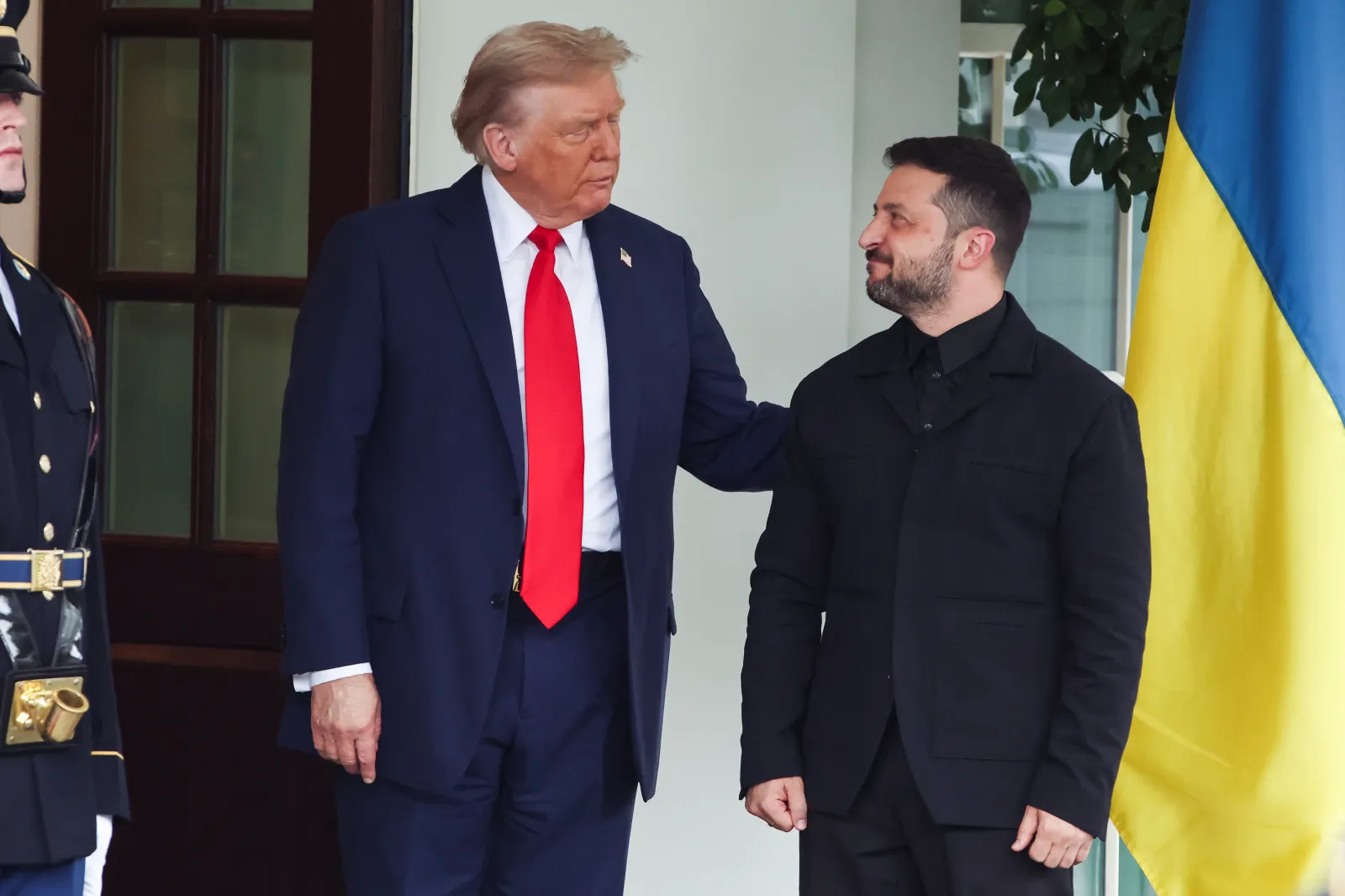
Trump Says Ukraine Needs New Leader Amid Dispute Over Russia Diesel Deal
Analysts Question Whether Russian Diesel Will Lower Prices
Some energy analysts have expressed skepticism that the agreement will significantly alter diesel market fundamentals.
Tom Kloza, senior energy and market adviser at Gulf Oil, recently told Newsweek that Russia currently lacks the ability to contribute meaningful diesel volumes to global markets because Ukrainian drone attacks have damaged a significant portion of Russian refining capacity.
"The market reacted with a 7-8cts/gal drop after the news broke, but nearly all traders I talk to doubt whether this will effect a trend change," Kloza said. "Diesel molecules are scarce and promise to be scarce through October, into November and perhaps beyond."
Hirs said that even if the deal proceeds as planned, consumers may not see meaningful relief quickly, raising questions about whether the arrangement will deliver the economic benefit Trump has promised before voters head to the polls.
Newsweek’s reporters and editors used Martyn, our AI assistant, to produce this story. Learn more about Martyn here. Contact Newsweek editors for this story: Steve Mollman and Anthony Murray.
View 0 Comments
Submit Correction
View Editorial & AI Guidelines