
...

By Dan Gooding
Associate News Editor
0
Share
Newsweek is a Trust Project member
See more of our trusted coverage when you search.Prefer Newsweek on Googleto see more of our trusted coverage when you search.
President Donald Trump said Thursday he believed the federal government will "probably" shut down again at the end of the month.
His comments on Fox Business came as lawmakers are once again scrambling to reach an agreement that would keep the U.S. federal government up and running beyond January 31.
The latest $1.2 trillion package, unveiled earlier this week, came just two months after the longest government shutdown in U.S. history, with House Representatives wanting to avoid another.
Read More on News
"I think we have a problem, because I think we're going to probably end up in another Democrat shutdown," Trump told Fox Business.
"That's an eternity, when you talk about a couple of weeks, in this world, that's an eternity, but we're negotiating a budget right now," he said.
Why It Matters
In the fall, Republicans and Democrats in both chambers of Congress were at odds for weeks over how funding should be appropriated and spent, leading to mass layoffs of the federal workforce and states picking up the cost of food assistance and other federal aid programs. Both sides blamed the other, with a deal finally reached after 43 days.
...
What To Know
A 1,059-page bipartisan bill was released Tuesday, outlining where lawmakers currently believe funding should be spent. It includes money for departments, including Homeland Security, Labor, and Health and Human Services.
The first section of the bill covers the Department of Defense – notably not adopting the rebranded title of Department of War used by the Trump administration. $838.7 billion has been set aside for the department, which will partly be used to give military personnel a 3.8 percent pay rise. Democrats said the bill did not include provisions for more operations in Venezuela or the Caribbean.
One big focus is on funding for U.S. Immigration and Customs Enforcement (ICE), which will continue to receive $10 billion this fiscal year, despite opposition from some Representatives and Senators following the death of U.S. citizen Renee Good in Minneapolis.
House Appropriations Committee Ranking Member Rosa DeLauro, a Connecticut Democrat, said in a press release that the bill included measures to cut ICE detention capacity and enforcement efforts and to introduce greater scrutiny, but did not include the wider reforms Democrats wanted.
The bill also includes funding for health care research, affordable housing, and transportation infrastructure, such as improvements to air traffic control.
Will the Government Shut Down in January 2026?
Whether the federal government shuts down again depends on whether lawmakers can agree on the bill introduced Tuesday.
The deadline for a decision is January 30, by which time the bill, as-is or with modifications, will have passed through Congress and reached President Donald Trump’s desk for signing.
If that does not happen, then the federal government will shut down again on January 31.
What Happens During the Government Shutdown?
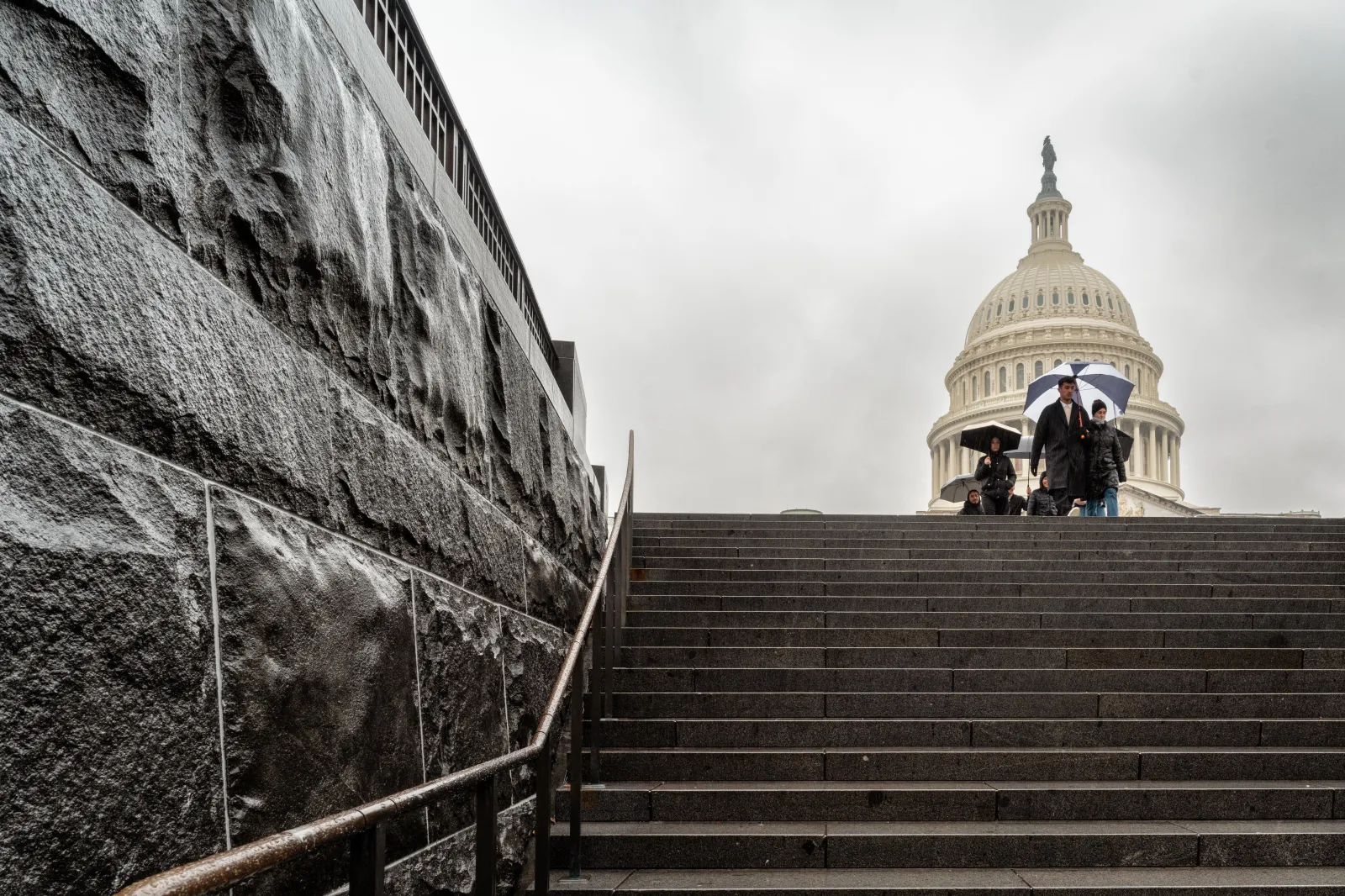
...
During a shutdown, as happened last fall, lawmakers have to continue to work on a funding package they can agree on, bringing additional debates and votes while their offices are technically closed.
In October and November 2025, Democrats and Republicans had very public disagreements on the path forward, particularly over health care subsidies, leading to various memes and public statements from the White House denouncing Democratic leadership.
Those on the left sought to remind the Trump administration that the GOP had full control of Congress and the White House.
What is Closed During a Government Shutdown?
Essential government services and offices continue to operate, such as TSA airport security, the military, and immigration enforcement.
Many departments either run at reduced staffing or close down completely if not seen as essential. One of the major issues during the previous shutdown was the lack of funding for SNAP benefits, with the USDA unable to fund the program beyond a short period of time.
Elsewhere, National Parks are unstaffed, federal museums and zoos close, research and education programs halt, and some taxpayer services at the IRS are suspended or delayed.
What People Are Saying
House Appropriations Committee Chair, Republican Tom Cole, in a press release: “Ronald Reagan once said that ‘America is too great for small dreams.’ I agree – and I know President Trump does too. The U.S. has always been a nation of builders – of ideas, infrastructure, opportunity, and security. With 250 years behind us, we’ve forged the greatest volunteer military in the world, transformed transportation through the Interstate Highway System, supported breakthroughs like unlocking the genetic code, and transformed security preparedness across domains.
“These bills recognize that legacy – and the obligation to carry it forward. It reflects the core tenets of American strength: combat-ready forces, secure communities, effective education and health systems, and modern transportation. At every level, it applies innovation and discipline to deliver results without waste. Chairmen Aderholt, Calvert, Womack, and Amodei have delivered policies that invest in the long arc of American leadership. Because the centuries behind us prove one thing: the future belongs to those willing to build it. At a time when many believed completing the FY26 process was out of reach, we’ve shown that challenges are opportunities. It’s time to get it across the finish line.”
House Appropriations Committee Ranking Member, Democrat Rosa DeLauro, in a press release: “ICE must be reined in. There must be accountability for the countless abuses, acts of violence, and lawless behavior we have seen on our streets. The bill takes several steps in the right direction, such as cutting ICE enforcement and removal operations and reducing the number of detention beds, but it does not include broader reforms Democrats proposed.
“I understand that many of my Democratic colleagues may be dissatisfied with any bill that funds ICE. I share their frustration with the out-of-control agency. I encourage my colleagues to review the bill and determine what is best for their constituents and communities.”
What Happens Next
The House of Representatives is due to vote on the bill later this week, with a potential separate vote on the Department of Homeland Security specifics.
If agreed upon, the funding would last through September 30, 2026.
Update 1/22/26, 10:25 a.m. ET: This article was updated with comment from President Donald Trump.
View 0 Comments
Submit Correction
View Editorial & AI Guidelines